3 hr
Research Whale & Dolphin Expedition with Marine Biologist
Join university researchers tracking cetaceans in Azorean waters aboard a semi-rigid boat
Reserve
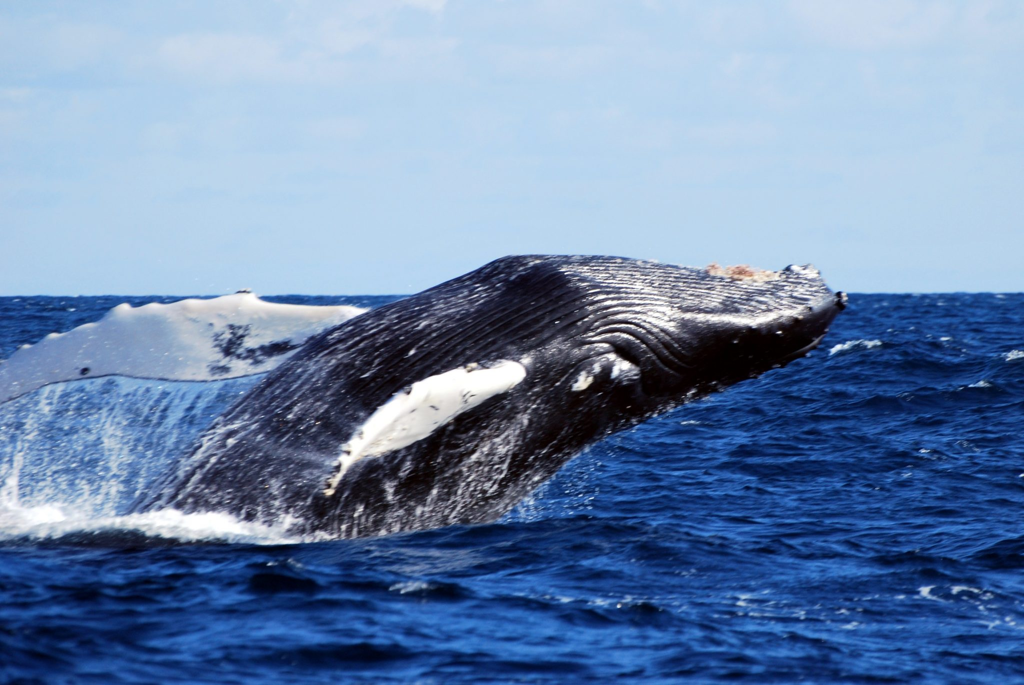
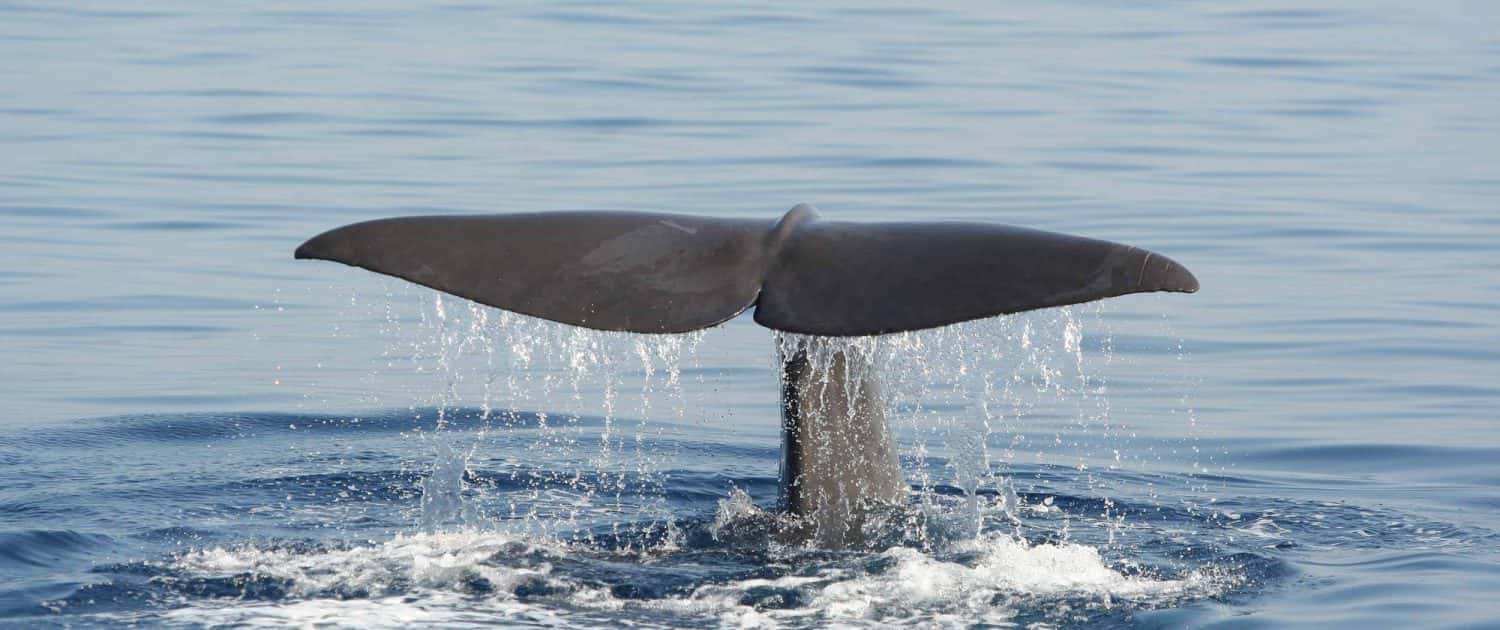
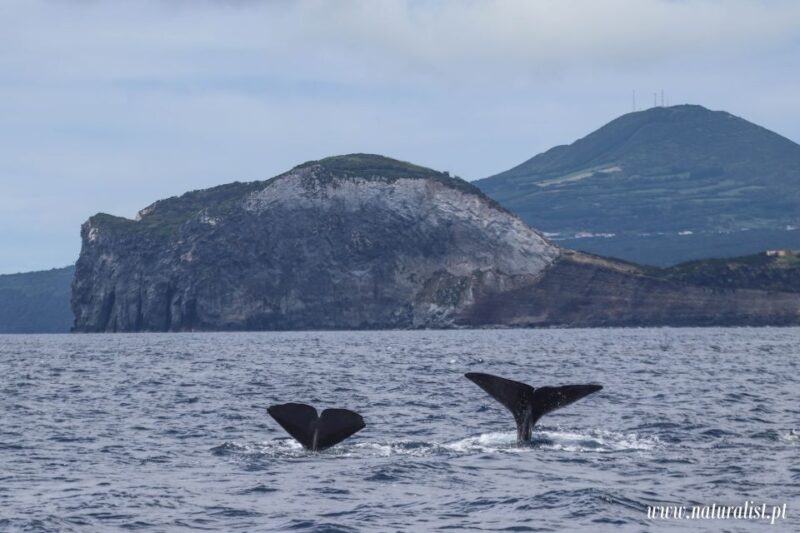
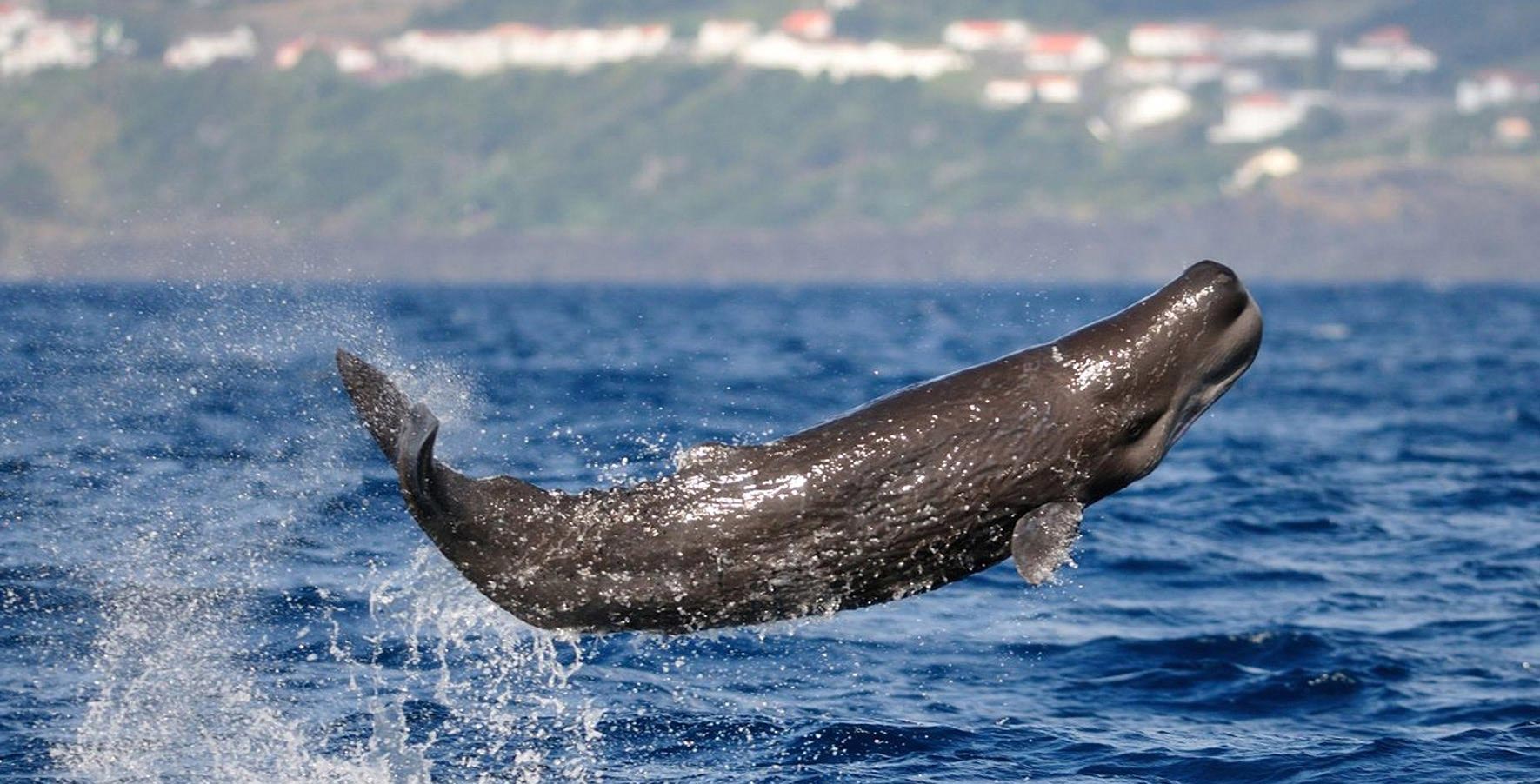
Sperm whales breach at the edge of the abyss, where the Atlantic meets volcanic stone
Hand-picked by our editors — only the best 6 whale watching experiences from 14 reviewed.
Verified partners for Whale Watching Horta tours, free cancellation where available, and instant confirmation on every booking.
3 hr
Join university researchers tracking cetaceans in Azorean waters aboard a semi-rigid boat
Reserve
4 hr
Set sail from Horta Marina for a thrilling 4-hour marine wildlife adventure in Faial's Atlantic waters.
Reserve
3 hr
Join marine scientists aboard a research vessel to track cetaceans and contribute to active conservation studies
ReservePrices from verified partners. Availability updates in real time at checkout. Free cancellation policies apply where shown.
The landmarks, rooms, and views travelers on Whale Watching Horta tours remember — all visible on a single visit.
Vessels from around the world decorate the quay with colorful murals. It serves as a historical record of yachts crossing the Atlantic.
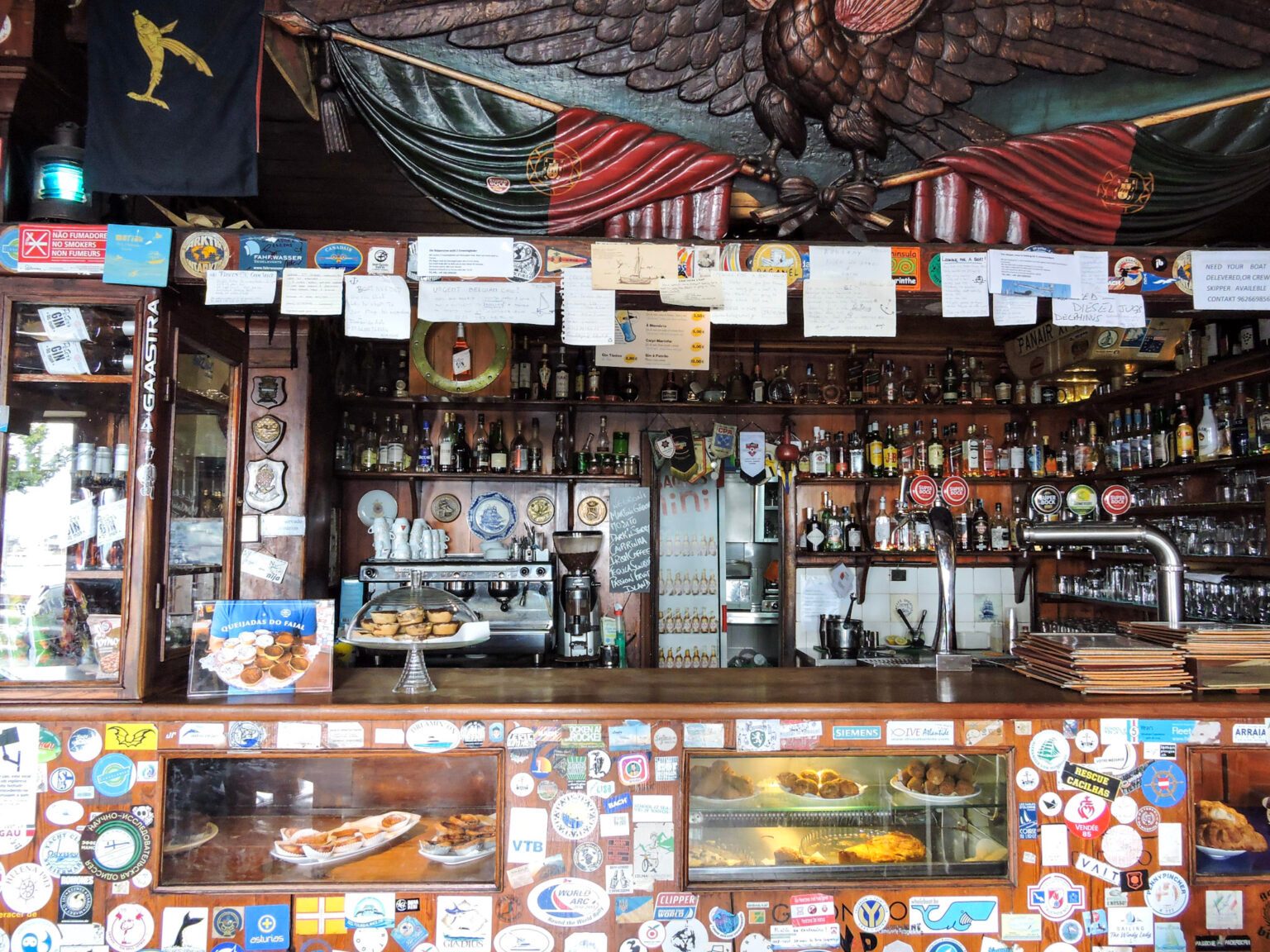
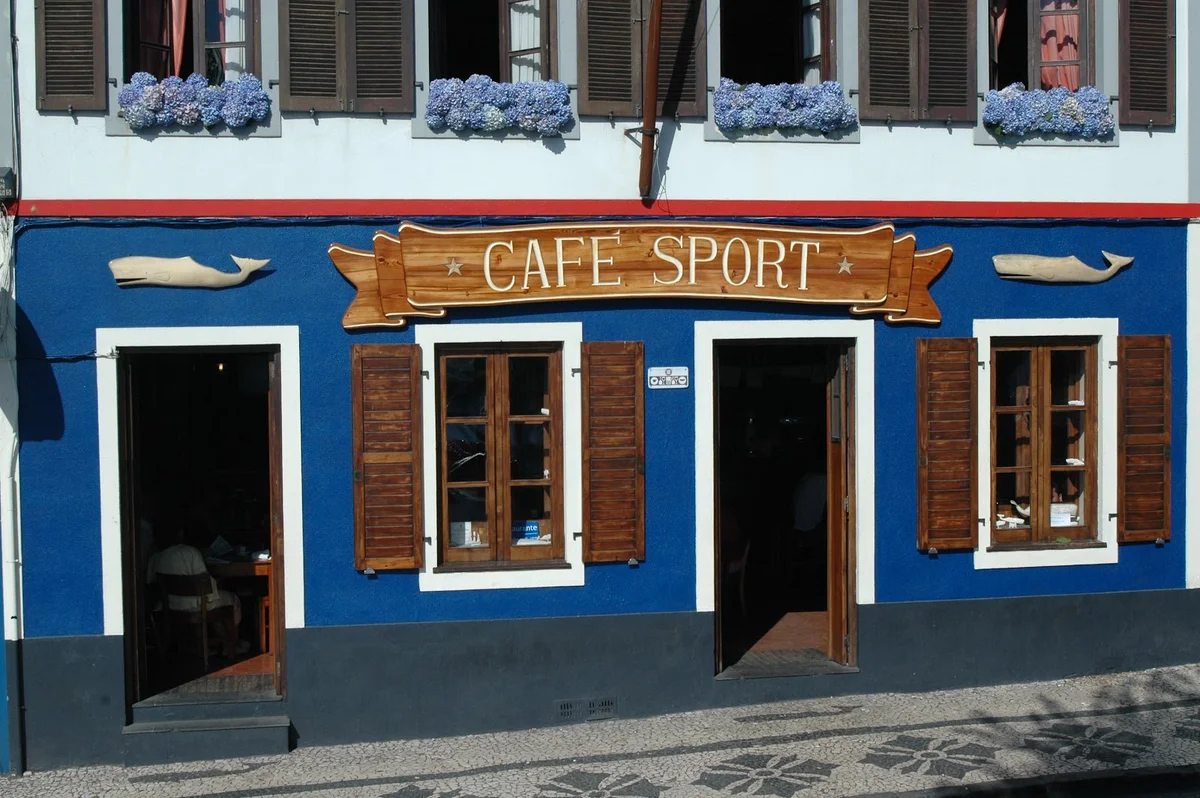
This world-renowned tavern is a must-visit for sailors and whale watchers alike. It has operated for over a century near the harbor.
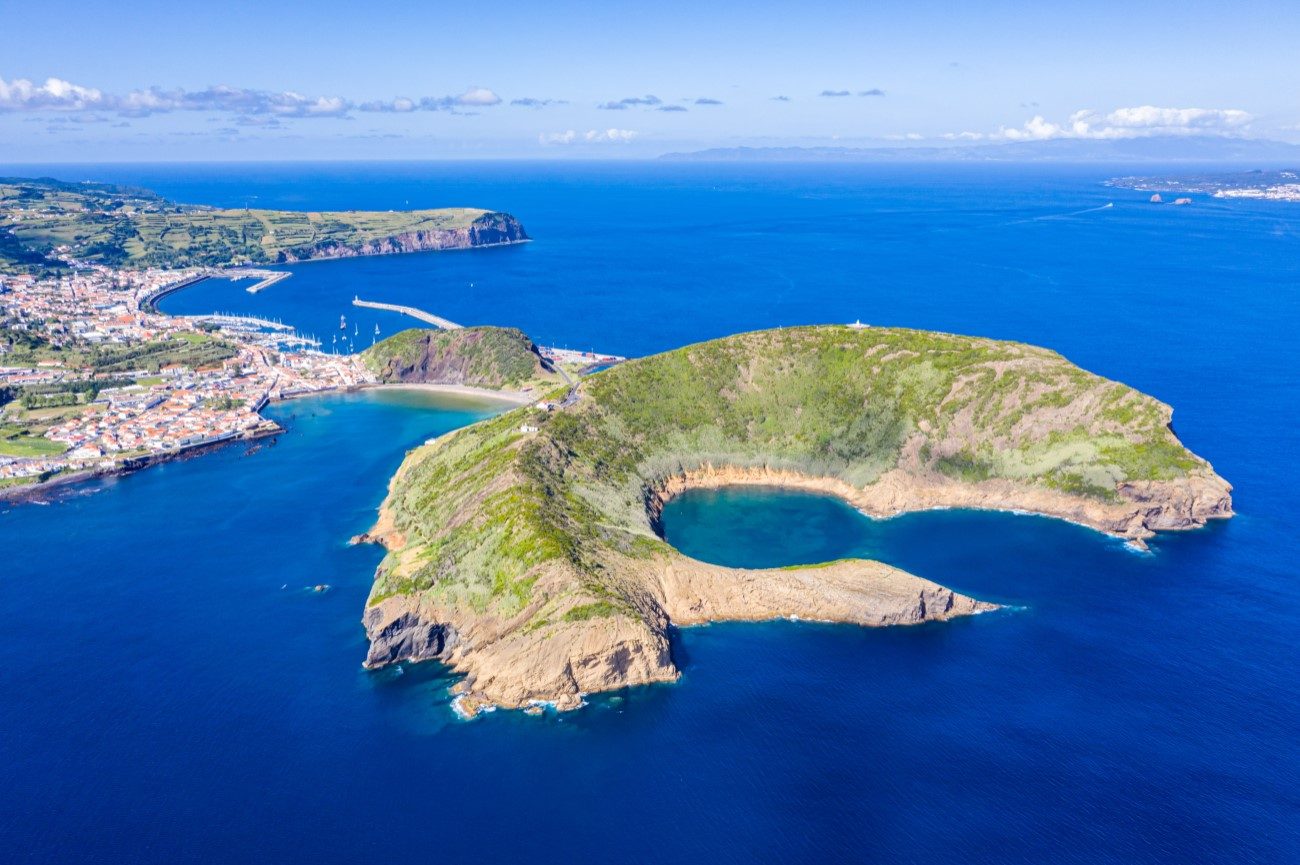
This volcanic landmark overlooks the harbor and offers views of the surrounding waters. It is ideal for spotting incoming vessels.
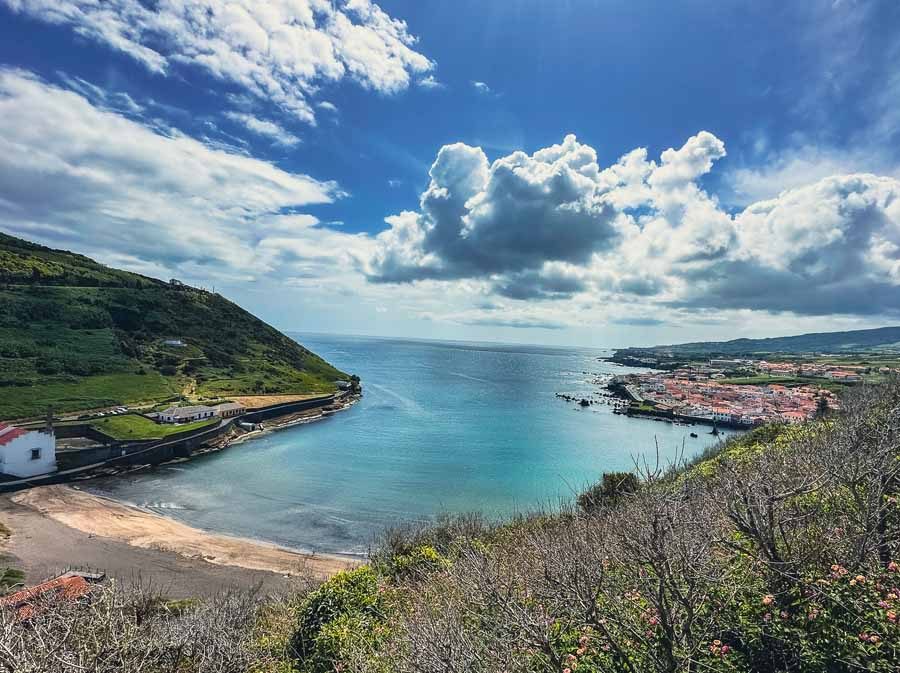
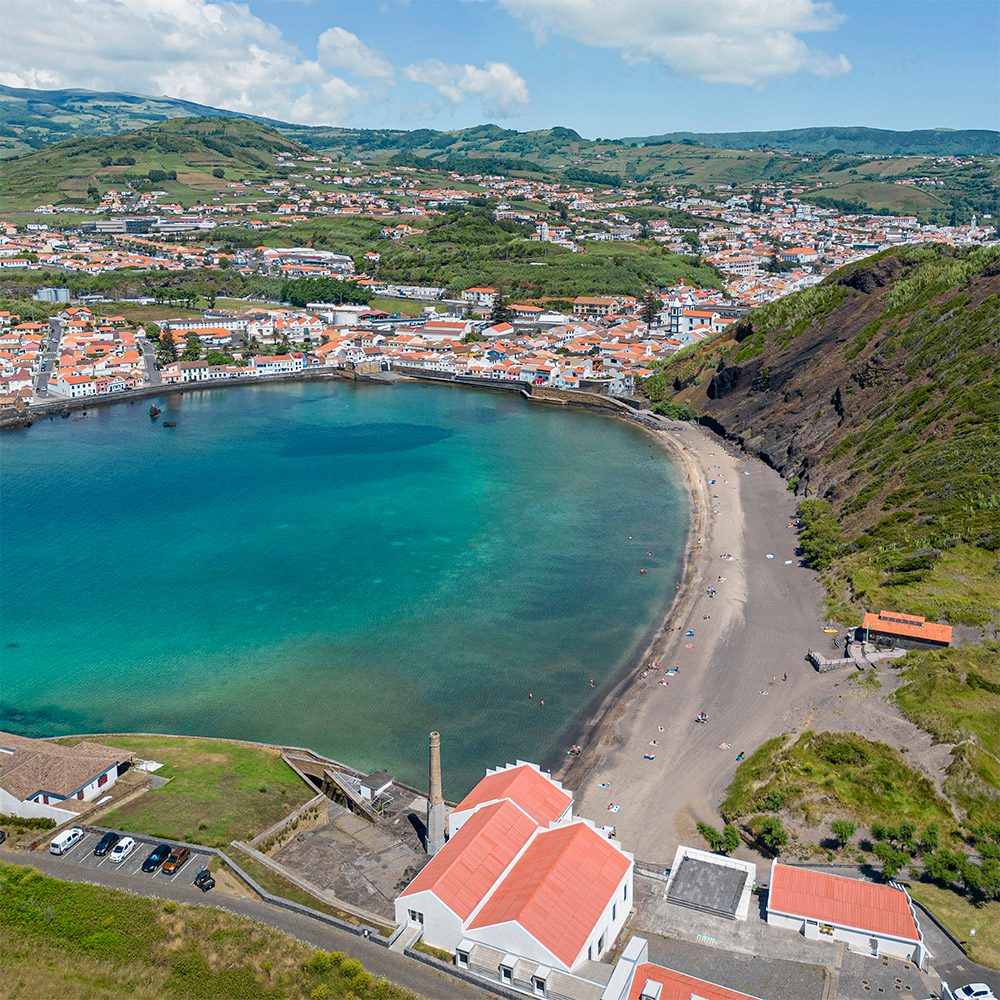
This sheltered bay was once a major whaling hub and is now a protected bathing area. It provides a calm start to maritime expeditions.
Every Whale Watching Horta tour side-by-side — duration, what's included, how you redeem.
| Experience | From | Duration | Rating | Guide | Small group | Free cancel. | Price | |
|---|---|---|---|---|---|---|---|---|
|
Standard Entry Most popular
Research Whale & Dolphin Expedition with Marine Biologist
|
— | 3 hr | ★ 4.9 | ✓ | ✓ | ✓ | €89 | Book → |
|
Standard Entry
Whale & Dolphin Watching Expedition from Horta
|
Horta | 4 hr | ★ 4.9 | ✓ | ✓ | ✓ | €80 | Book → |
|
Standard Entry
Research Whale & Dolphin Expedition
|
— | 3 hr | ★ 4.8 | — | ✓ | ✓ | €86 | Book → |
All prices from verified partners. Availability and exact terms confirmed at checkout.
These experiences complement each other; most visitors who do both call private charters the more flexible choice for photography, while whale watching horta tours offer a deeper scientific perspective.
| Feature | Top pick Organized Tours | Private Charter |
|---|---|---|
Group size |
10–20 passengers | 1–6 passengers |
Marine biologist presence |
Always included | Optional upon request |
Itinerary flexibility |
Fixed route | Customizable by client |
Cost structure |
Per person rate | Flat vessel fee |
Duration |
2.5–3.5 hours | Flexible duration |
Vessel type |
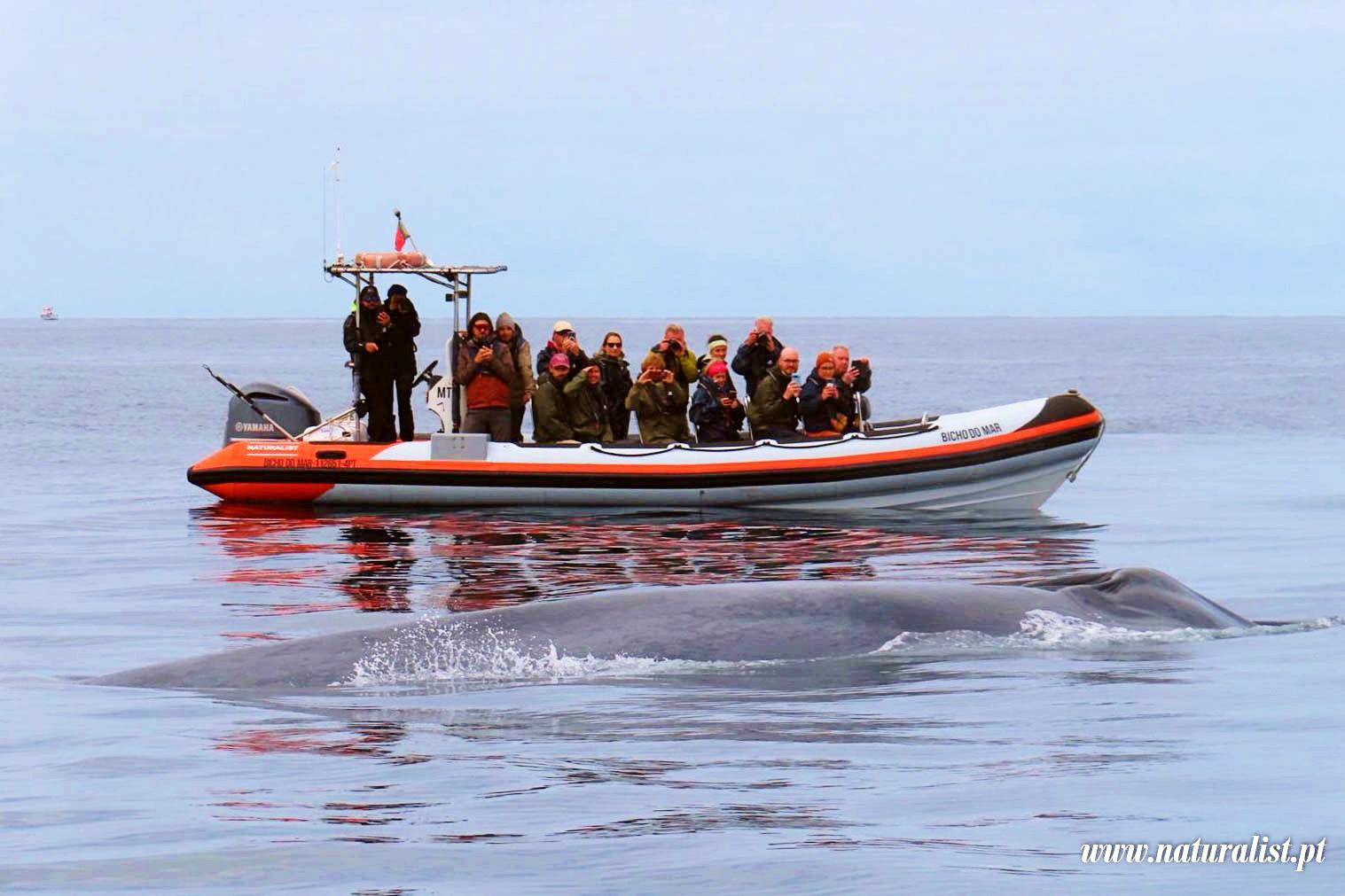
Rigid Inflatable Boat | Cabin cruiser or RIB |
| See tickets → |
Verdict: Choose an organized whale watching horta tour for the expertise of a marine biologist, or select a private charter if you prefer to purchase whale watching horta tickets for a personalized excursion with specific marine mammal observation goals.
Choose your ticket, select your date, and reserve in under two minutes. Secure checkout handled by our verified partner.
Instant confirmation by email, with a mobile voucher you can save offline. No printing, no queuing at a collection desk.
Arrive at the entrance, show your voucher on your phone, and walk in. Most tickets include priority or skip-the-line access.
Practical details for Whale Watching Horta tickets straight from our verified partners — hours, access, rules, and how to get there.
9900-144 Horta
Iconic landmark near the marina entrance
Open in Google MapsParking is available near the Horta harbor area. Follow local road signs toward the marina.
Available throughout Horta town center to the waterfront.
Wear warm, windproof clothing as temperatures drop significantly once the vessel leaves the harbor. Sturdy, non-slip footwear is essential for safety on moving decks.
Only small, waterproof bags are permitted on board. All belongings must be stowed securely during transit to whale watching horta sites.
Cameras with zoom lenses are recommended for capturing marine life from a distance. Ensure your equipment is protected from salt spray and water exposure during whale watching horta excursions.
While the Marina da Horta is accessible, many boats involve stepping over gunwales or using ladders. Contact operators in advance if you require assistance boarding for your whale watching horta tour.
Phones may be used for photos but maintain signal awareness. Reception is limited once you travel further offshore for whale watching horta sightings.
Children are welcome on most whale watching horta trips, provided they are supervised at all times. Life jackets are mandatory and provided for all young guests.
Most operators allow personal water bottles and light snacks. Avoid heavy meals prior to departure to minimize the risk of seasickness during whale watching horta activities.
Pets are generally not permitted on whale watching horta boats due to safety regulations and animal welfare policies.
Sightings are wild and never guaranteed by any whale watching horta provider. Operators prioritize the welfare of marine mammals according to local environmental guidelines.
Best time to go, insider tips, nearby landmarks, and the cancellation fine print — flip through to skim what matters to you.
How crowds, weather, and events shift across the year.
April to June is excellent for blue whale sightings. The weather begins to warm up as sea conditions stabilize.
July to September offers the most consistent weather for whale watching horta tours. Expect calm seas and warmer water temperatures.
Small details that turn a good visit into a great one.
Reserve whale watching horta tickets in advance during August to ensure availability.
Consult operators about sea conditions if you are prone to motion sickness.
Choose morning slots for the calmest conditions during whale watching horta excursions.
Even on cloudy days, UV levels are high at sea so wear protection.
Respect the silence when approaching marine mammals during the tour.
Non-bookable sights within a short walk — free to visit, easy to pair.
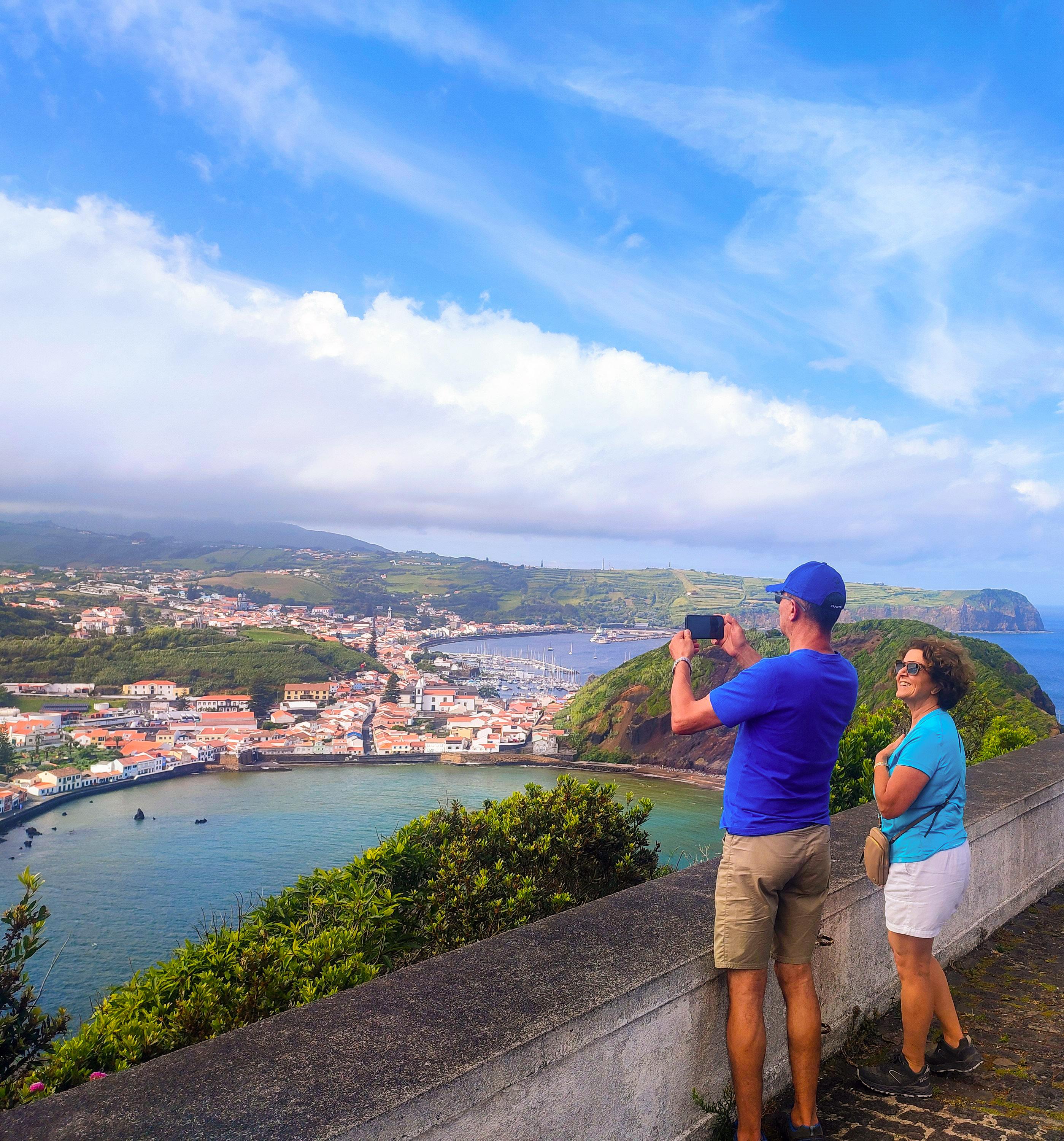
Provides panoramic views of the Horta coastline and crater remains.
A historic building reflecting the religious heritage of Faial Island.
A sheltered beach perfect for walking near the harbor.
Flexible, no hidden fees.
Cancellations must be made at least 24 hours in advance to receive a full refund. Refunds are subject to the specific terms set by individual tour operators at Marina da Horta.
Hand-picked options within walking distance — pick a district for vibe, or a specific hotel for convenience.
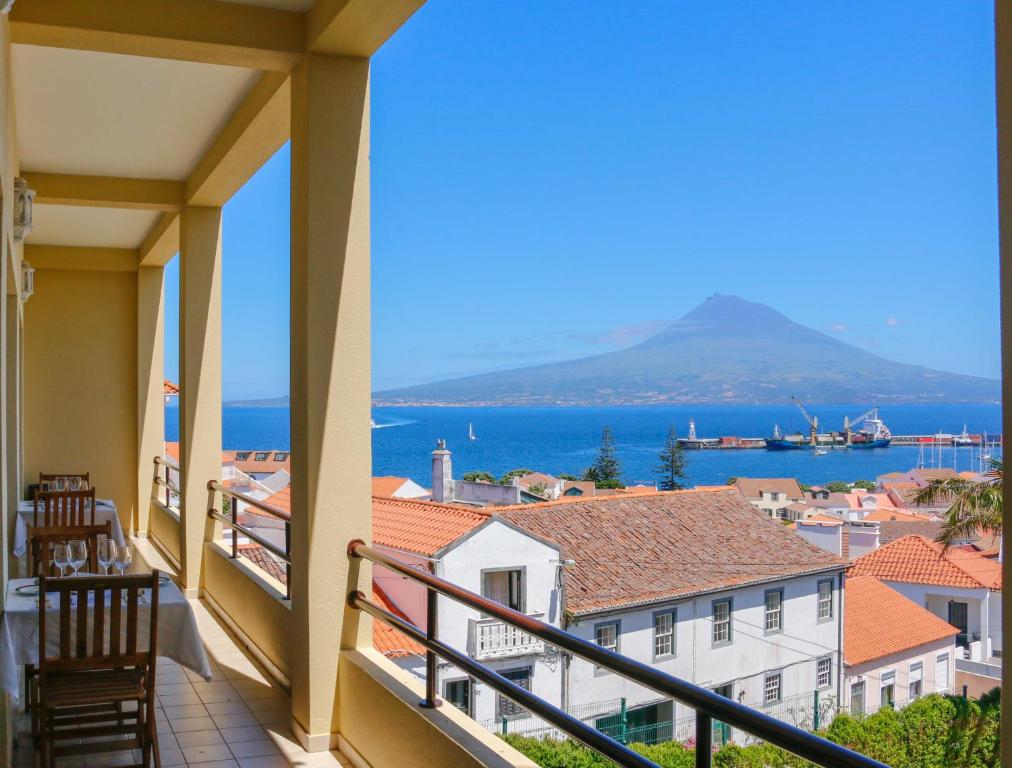
Centrally located hotel with views of the marina.
Spacious property near the town center and harbor.
Affordable lodging within walking distance of the marina.
Horta's position on the southern coast of Faial Island places it at the edge of the Mid-Atlantic Ridge, where seafloor topography drops to abyssal depths within nautical miles of the harbor.
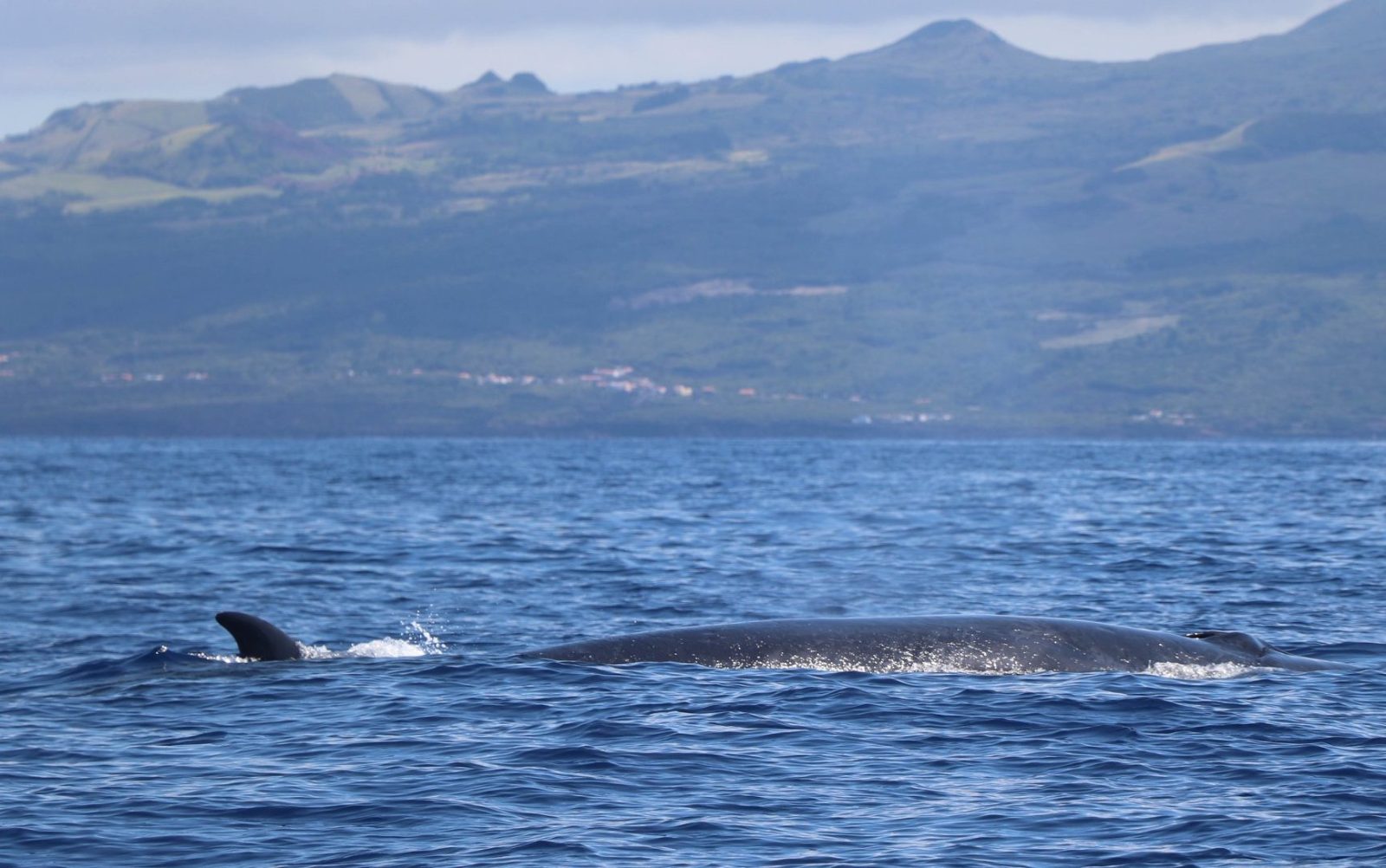
The channel between Faial and Pico Island funnels nutrient-rich currents that support one of the North Atlantic's most reliable cetacean populations. Twenty-four species of whales and dolphins have been recorded in Azorean waters since systematic monitoring began in the 1980s, with sperm whales present year-round and baleen species—blue, fin, sei—migrating through between April and October. The tradition of whale watching in Horta emerged directly from the decline of industrial whaling; former lookouts, once stationed on clifftops to spot quarry for harpoon boats, now radio sightings to tour operators departing Marina da Horta.
The marina itself, a storied waypoint for transatlantic sailors, serves as the logistical hub for whale watching horta tours. Operators work closely with the University of the Azores' cetacean research unit, which maintains a decades-long photo-identification database of individual sperm whales recognized by fluke patterns and dorsal scarring. Many naturalist guides hold degrees in marine biology or oceanography and narrate encounters with reference to ongoing acoustic studies and migratory data. The Azores Marine Park designation, established in 2011, enforces approach protocols—vessels must cut engines within 50 meters, limit encounter duration to 30 minutes per pod, and yield to animals initiating approach. Compliance is near-universal among licensed operators.
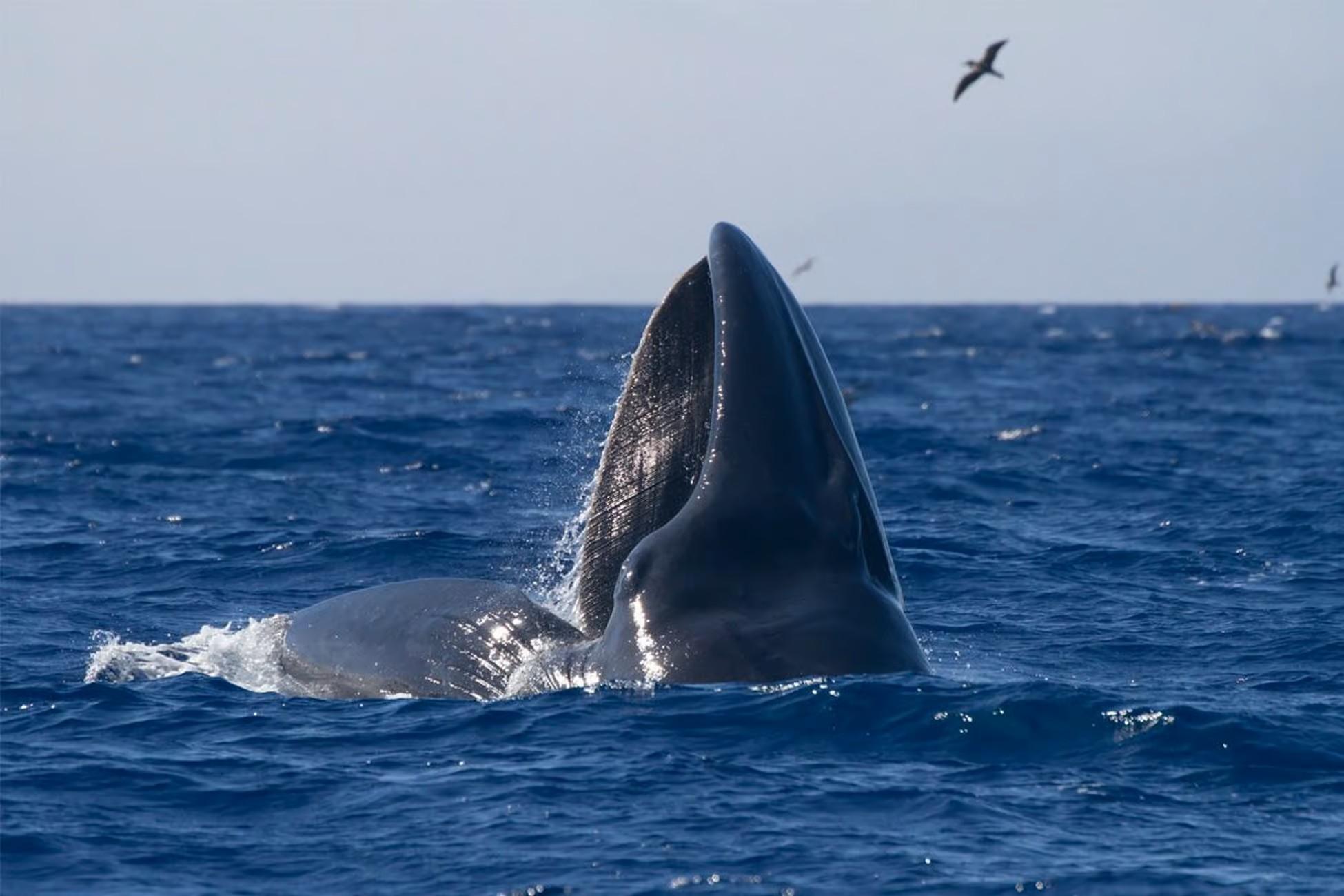
Whale watching horta faial excursions typically cover 15 to 25 nautical miles, depending on real-time spotter intelligence relayed from coastal vigias—historic stone watchtowers repurposed as observation posts. Sperm whales, the archipelago's signature species, dive to depths exceeding 1,000 meters in pursuit of giant squid, surfacing to breathe in predictable cycles that allow extended surface observation. Common and bottlenose dolphins often bow-ride alongside tour boats, while Risso's dolphins and pilot whales favor deeper offshore zones. Spring and early summer bring migratory baleen whales; blue whales, the largest animals ever to exist, pass through Azorean waters on northbound feeding migrations, their 30-meter frames visible from the surface. Sea conditions are calmest during morning departures, and the frequency of sightings—operators report success rates above 95 percent—reflects both the density of resident populations and the sophistication of the vigia network, a system with roots in 19th-century shore whaling that now serves conservation and ecotourism.

"Twenty-four species of whales and dolphins have been recorded in Azorean waters since systematic monitoring began in the 1980s, with sperm whales present year-round."
A step-by-step walkthrough of Whale Watching Horta tickets — what you'll see, how long each stage takes, and the details that matter.
You meet your group at Marina da Horta, where painted murals left by visiting yachts cover the breakwater in a patchwork of flags and coordinates. The naturalist guide briefs you on approach protocols and hands out field identification sheets illustrating dorsal fin shapes and fluke patterns.
The rigid inflatable boat exits the harbor at 09:30, passing the red-and-white beacon at the channel entrance, and within minutes the radio crackles with a sighting report from a clifftop vigia—sperm whales two miles southwest, near the Pico channel.
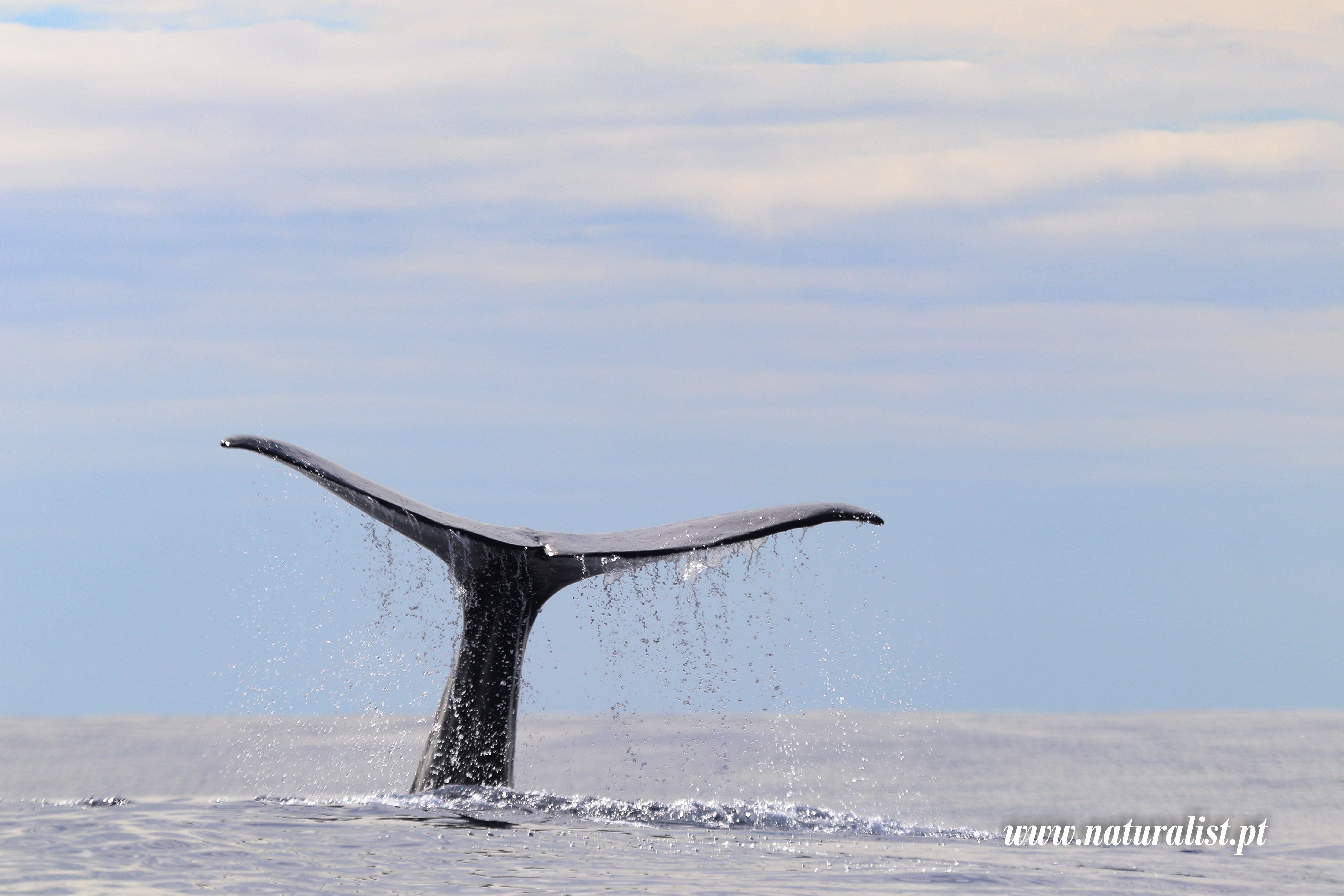
You reach the coordinates in under ten minutes. The boat slows to a drift, engines cut. Three dark backs surface in sequence, blowing twin plumes of vapor that hang in the still morning air. The animals rest at the surface for eight minutes, flanks glistening, before arching into synchronized dives—flukes rising vertically, water streaming from the trailing edges, then slipping beneath without a splash. The guide notes the fluke patterns in a logbook, matching one individual to a known male cataloged since 2003. On the return crossing, a pod of common dolphins intercepts the boat, leaping and spinning in the bow wave, close enough that you hear the sharp exhalations above the engine hum.
The Marina da Horta is open daily from 09:00–18:00 to assist with inquiries.
Entrance to the marina area is 0 EUR, though whale watching horta tour prices vary by operator.
Morning arrivals between 09:00–14:00 are recommended as sea conditions are often calmer.
Yes, whale watching horta tickets can typically be purchased through the official site or local offices.
Yes, children can join whale watching horta tours if supervised and wearing provided life jackets.
Wear windproof, warm clothing and non-slip shoes for your whale watching horta trip.
Drones and large suitcases are prohibited on all whale watching horta vessels.
The marina is located at Marina da Horta, 9900 Horta, accessible by foot, taxi, or car.
Sightings are not guaranteed, but experts facilitate the best opportunities during each whale watching horta tour.